
Would you play a one-string guitar?
So why do we keep learning this way?

Would you play a one-string guitar?
This was a question we were asked when I trained in a social innovation fellowship at the Banff Centre in 2018. In the “Getting to Maybe” month-long retreat, led by Frances Westley, the article she referenced was from an old educational textbook.
What it was asking is whether people learn best using solely cognitive processes. Because that’s how a lot of educational systems work, teaching through rational or cognitive methods.
But there are so many other options.
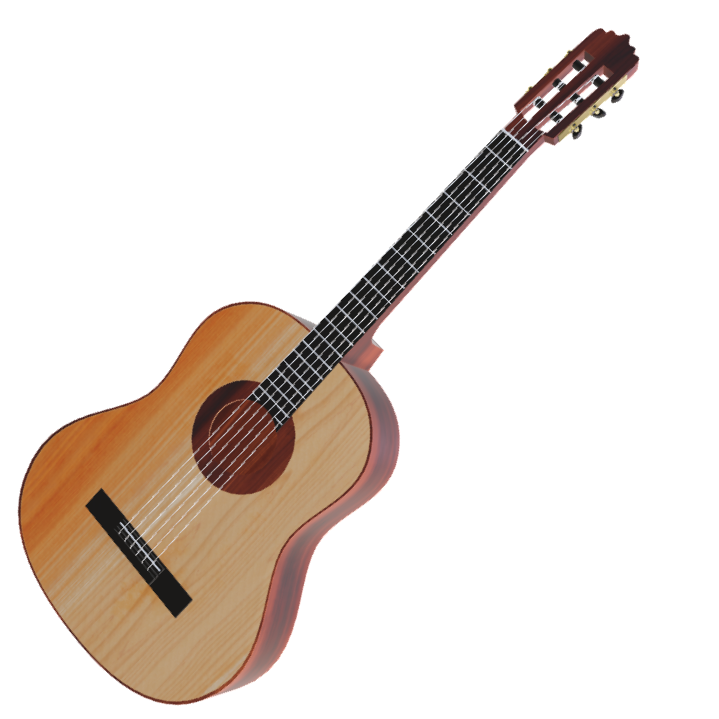
In Banff, they made a commitment to us to teach using six strings. For the first week of the course, we were encouraged to use coloured markers and discern whether we were learning through other methods. The strings they employed were: Emotional, Relational, Physical, Rational, Metaphoric / Intuitive, and Spiritual. For my purposes, I’ve changed the strings (creative license) to Natural, Relational, Somatic, Cognitive, Metaphoric, and Creative.
We were in Banff, so it made sense that land-based teachings were a significant part of our learning journey. NATURAL ways of knowing are so much a part of what humans have passed down over millennia. And, the fractals of everyday intelligence exist in the natural world. Complexity. Roots. Patterns. Webs. It’s easy to see how there are representatives of all ideas within the natural world. We would create “threshold doors” to other worlds. We would stay on the land for hours, listening and learning (no phones allowed).
It makes sense that we know through RELATIONAL interactions. One of the books that I quote in The Modern Trauma Toolkit is called The Extended Mind - and the premise is that our minds actually link up in groups. We can work synergistically and develop communal capacities that would be impossible solo. Humans exist in the world through our relationships, with humans but also living and non-living entities. It’s through understanding each other that we better understand ourselves, and our collective potential.
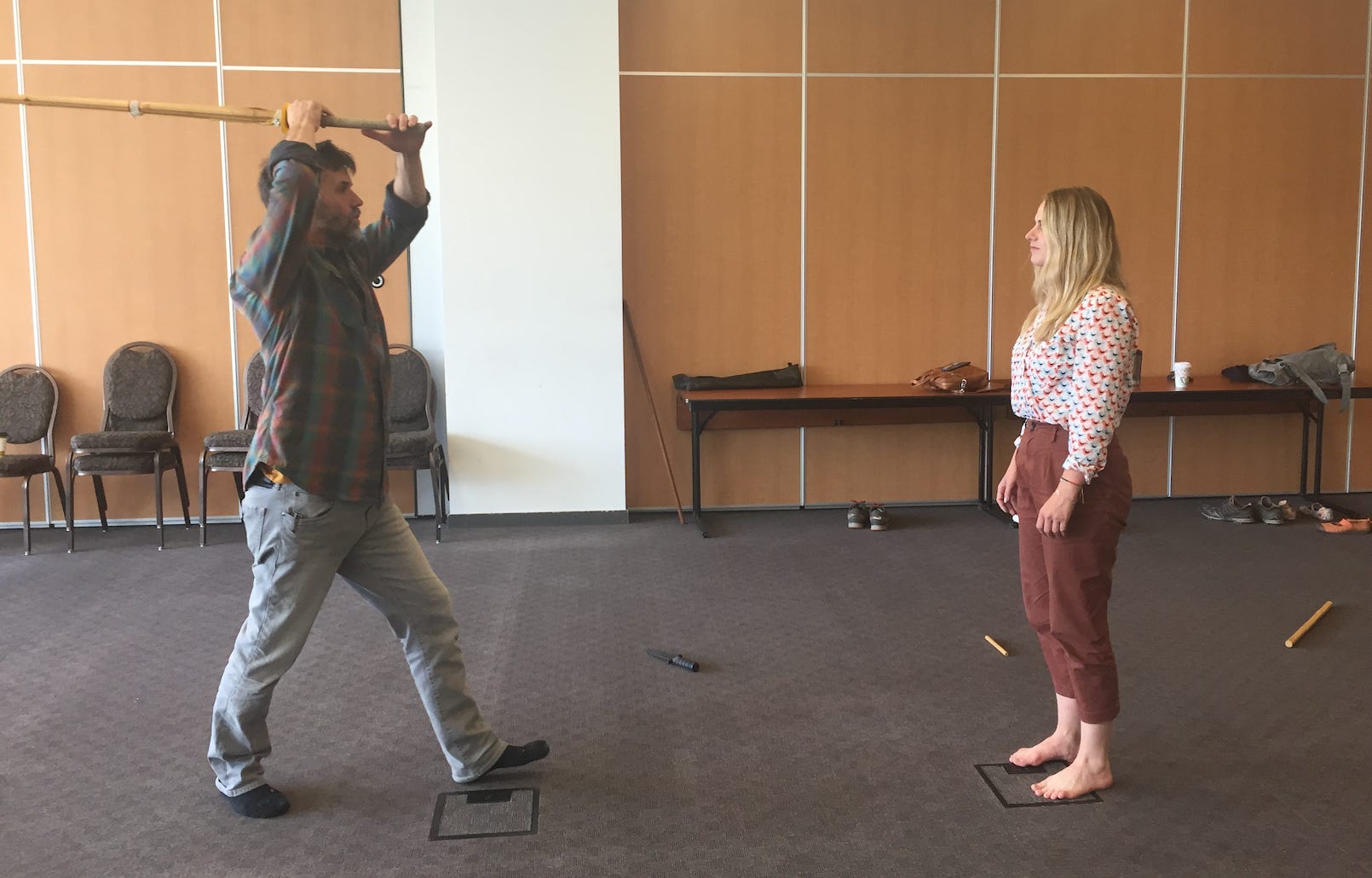
One of the other six strings included SOMATIC ways of knowing. This is something that has continued in my own medical education since. Dr. Julian Norris, a professor in the business department who used to teach outdoor education and has a lens of complexity, would teach us in the “leadership dojo.” (He’s also resurrected the Getting to Maybe sessions through the Wolf Willow Institute - a longer training of Positive Deviants, currently accepting applications for changemakers.) Sometimes these dojo sessions involved fighting sticks. As a trauma therapist and physician, I’ve come to the understanding that our cognitive brains are not always attuned to all of the neural processes. Learning, and even neuroplasticity, can happen through somatic interventions. Our body knows - just as our minds do.
The most commonly employed tool for learning is the COGNITIVE construct. We are all taught, and certainly medicine is just as guilty, that rational discourse and research is the best way to convey understanding. This is how western educational systems operate (we speak to this as pedagogy - how we teach) and the way that we know (epistemology). Now that I’ve seen the six strings, it’s wild to me that we’ve allowed ourselves culturally to be so limited. Certainly, cognitive ways of imparting knowledge are easiest to objectively convey. They’re less nuanced, less subjective. And pure scientific methods would not exist without them (hooray for science…) yet there are inherent limitations.
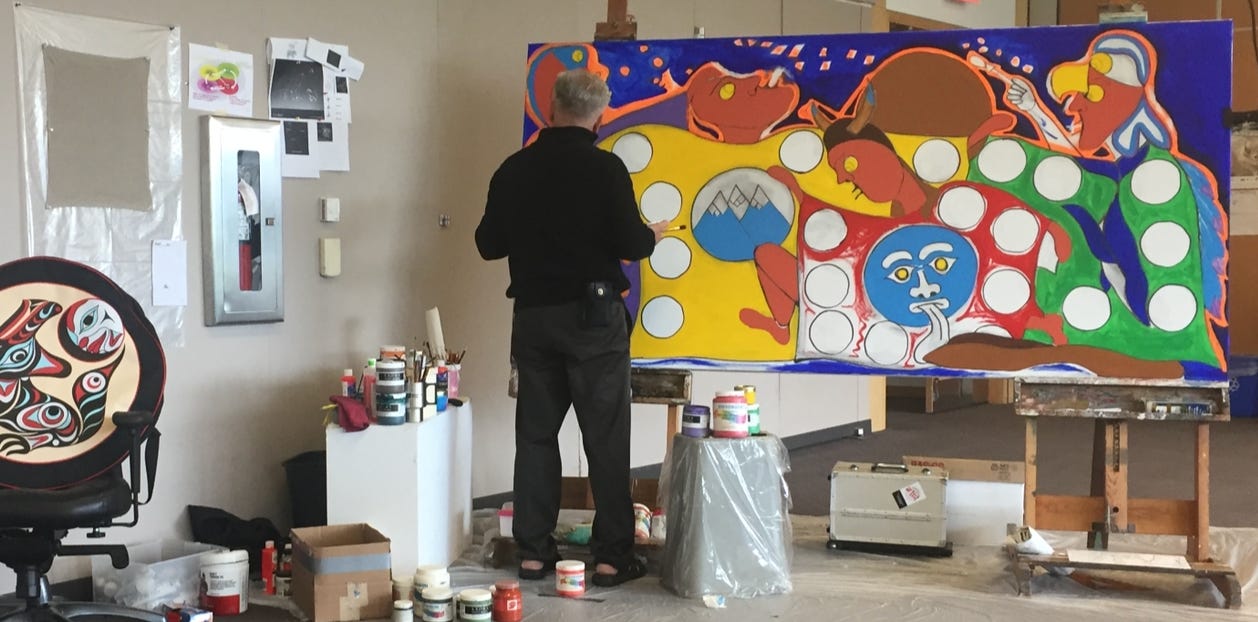
Ancestral and METAPHORICAL learning comes through storytelling. We had an Indigenous professor, Don McIntyre, a lawyer and artist, who told many stories of First Nations allegories. He also led a group painting project, as well as as a personal exploration using a drum. Humans have also been using storytelling as a way to transmit information for our entire history, a tradition older than writing and certainly older than books.
Intuition is another important facet that can be supported for learning. This is something I invoke often as a therapist, helping people enhance their interoceptive abilities, or their conscious awareness of the messages coming from body to brain. Our gut instinct is very real! And we can learn how to tune into that radio station more effectively. (also to turn the volume down…)
Another way that we explored learning styles was through CREATIVE aspects. We would draw (Don made us an Indigenous coloring book) or perform theatrical interludes (mine was maybe a little too raw) or jam in a music session (the one taught by Jesse Stewart was mind-altering). Sometimes formal language is insufficient to share ideas that are more abstract, ethereal, or multi-dimensional.
I’ve since made a commitment that, wherever possible, I want to teach more than one string. This can sometimes be more difficult during a virtual talk, but with any kind of workshop, it’s something that I attempt. I’m currently designing a training program for Canadian physicians to learn more about management of trauma, PTSD, and complex trauma.
I will be invoking the sixth strings.